K

Barcelona, Spain

Prototype

Strength Concealed by Simplicity

K was conceived as an exploration of visual perception.

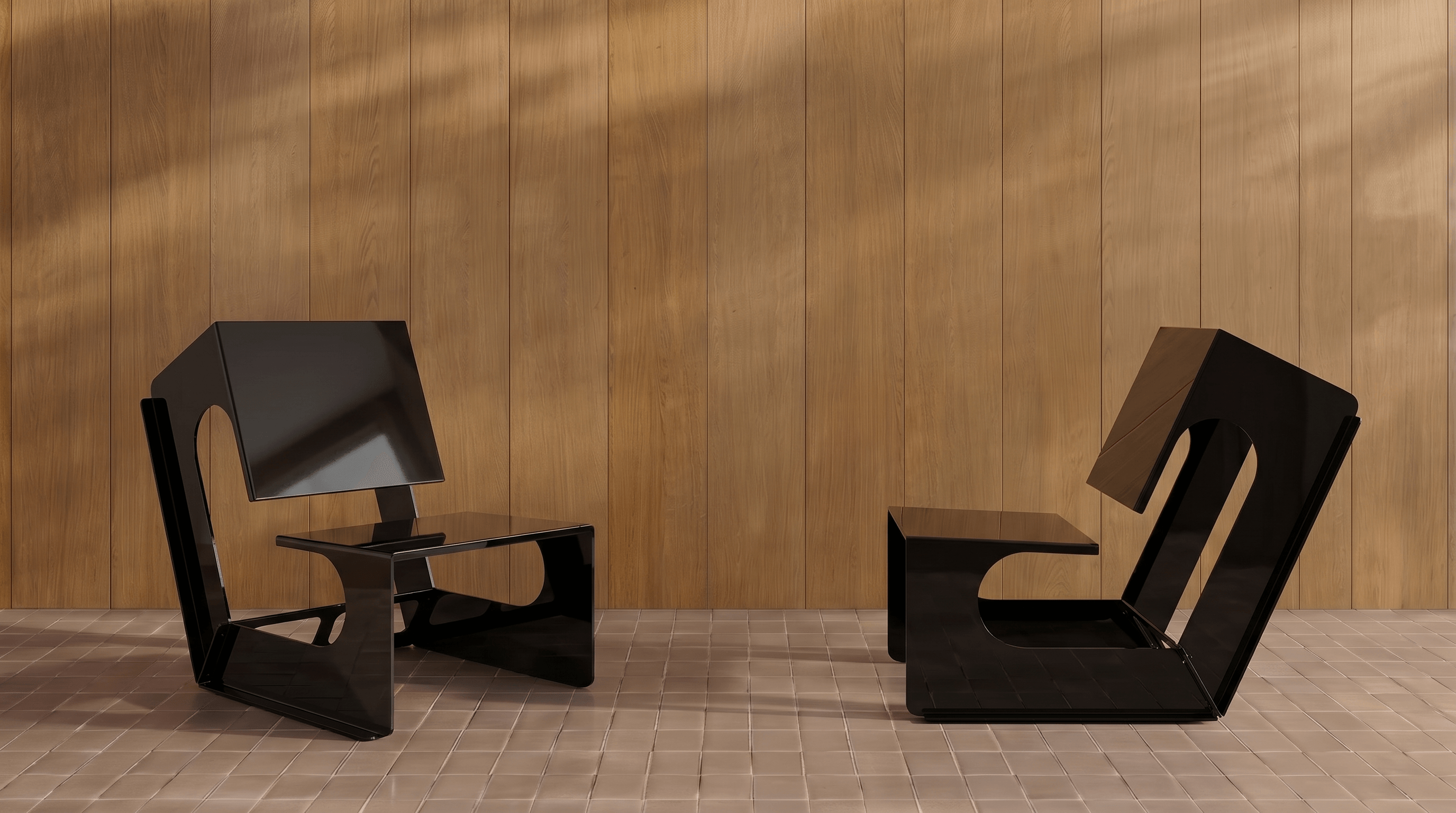
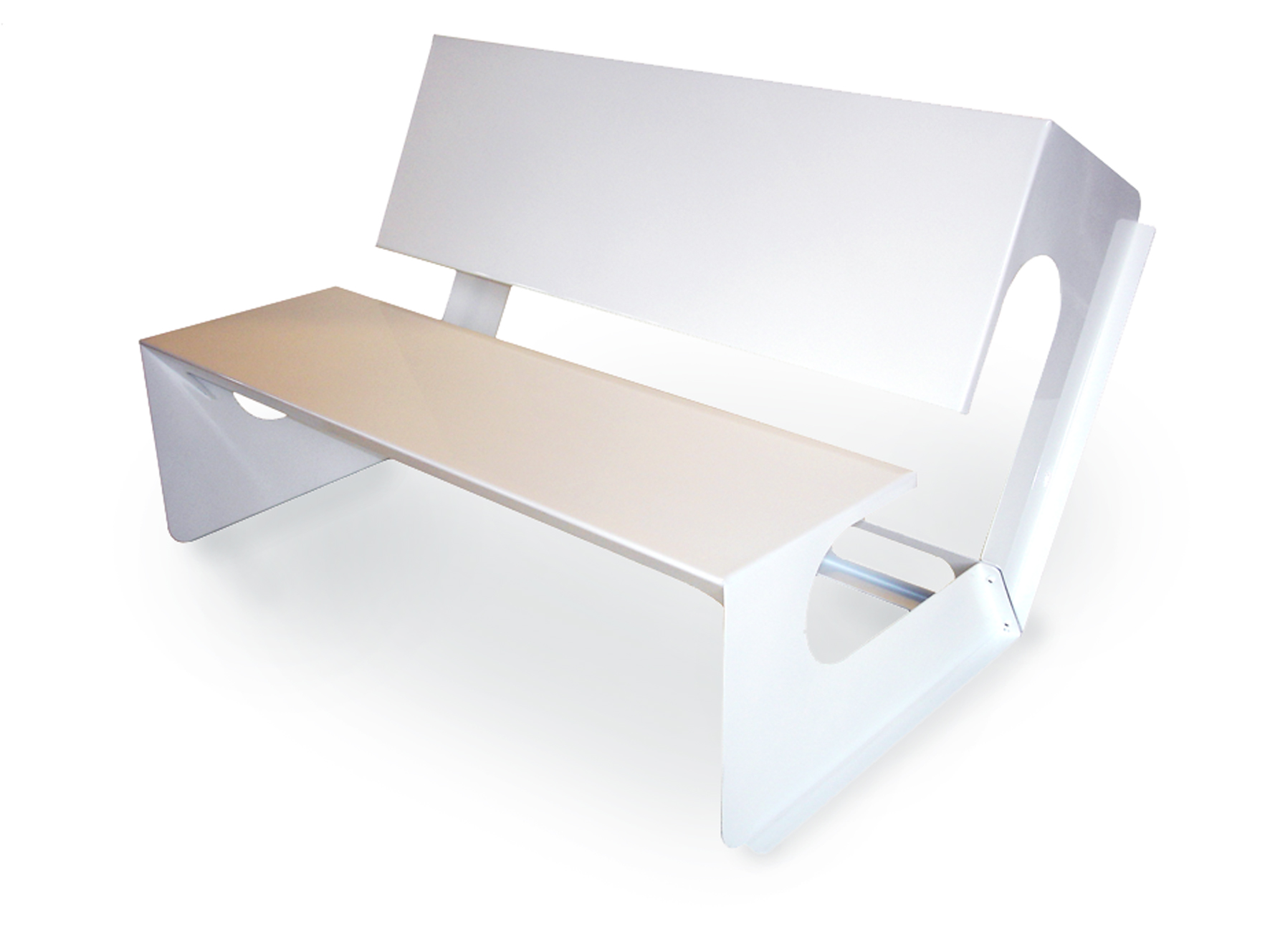
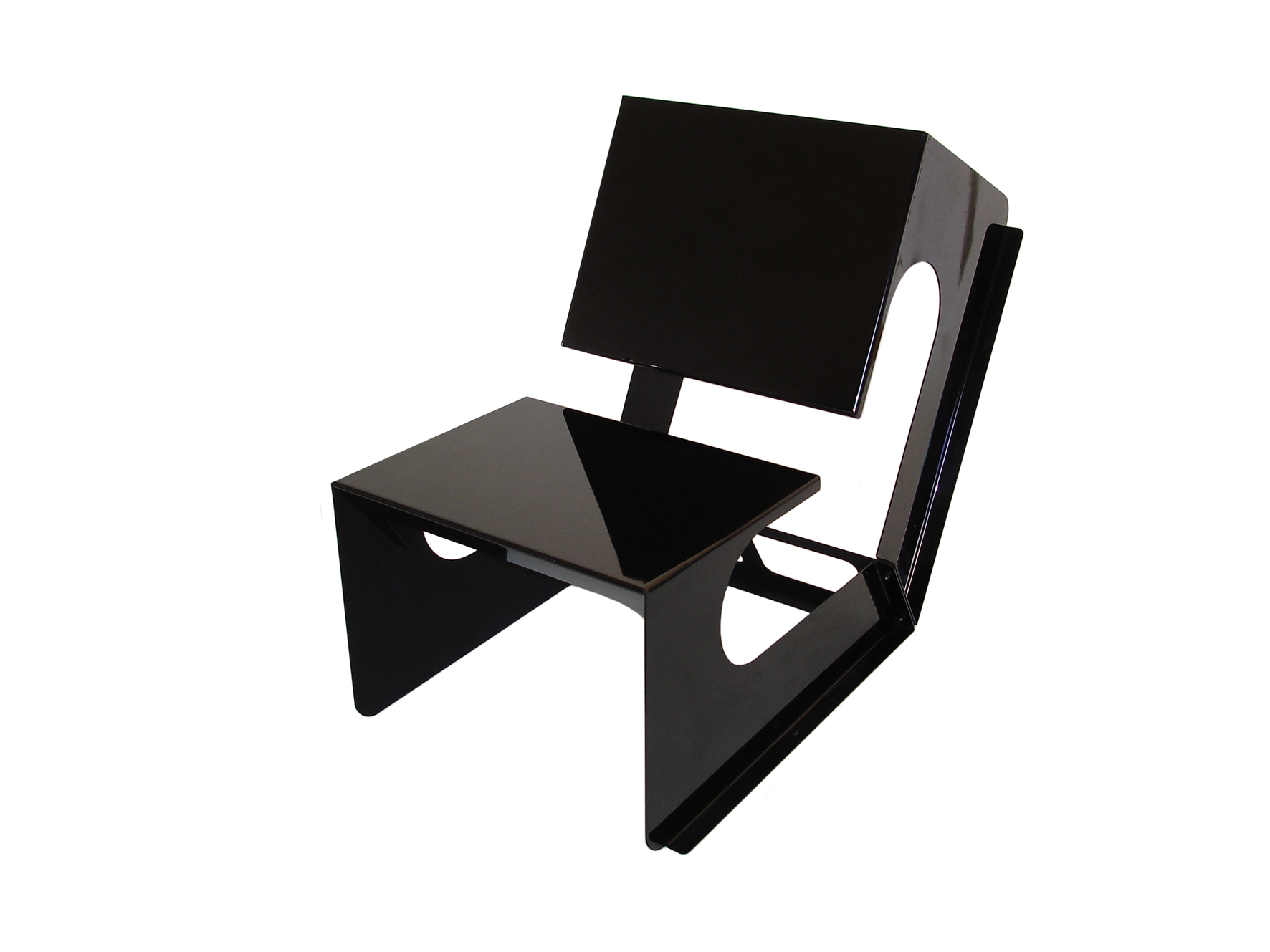
The ambition was to design a piece of metal furniture that appeared almost impossible—light, thin, and seemingly fragile—yet delivered exceptional strength, stability, and comfort. It challenges our instinctive assumptions about how furniture should look in order to feel reliable.

The name K originates from three Japanese words that define the essence of the project: Katai (硬い) — Hard Kakkoii (かっこいい) — Cool Kami (紙) — Paper

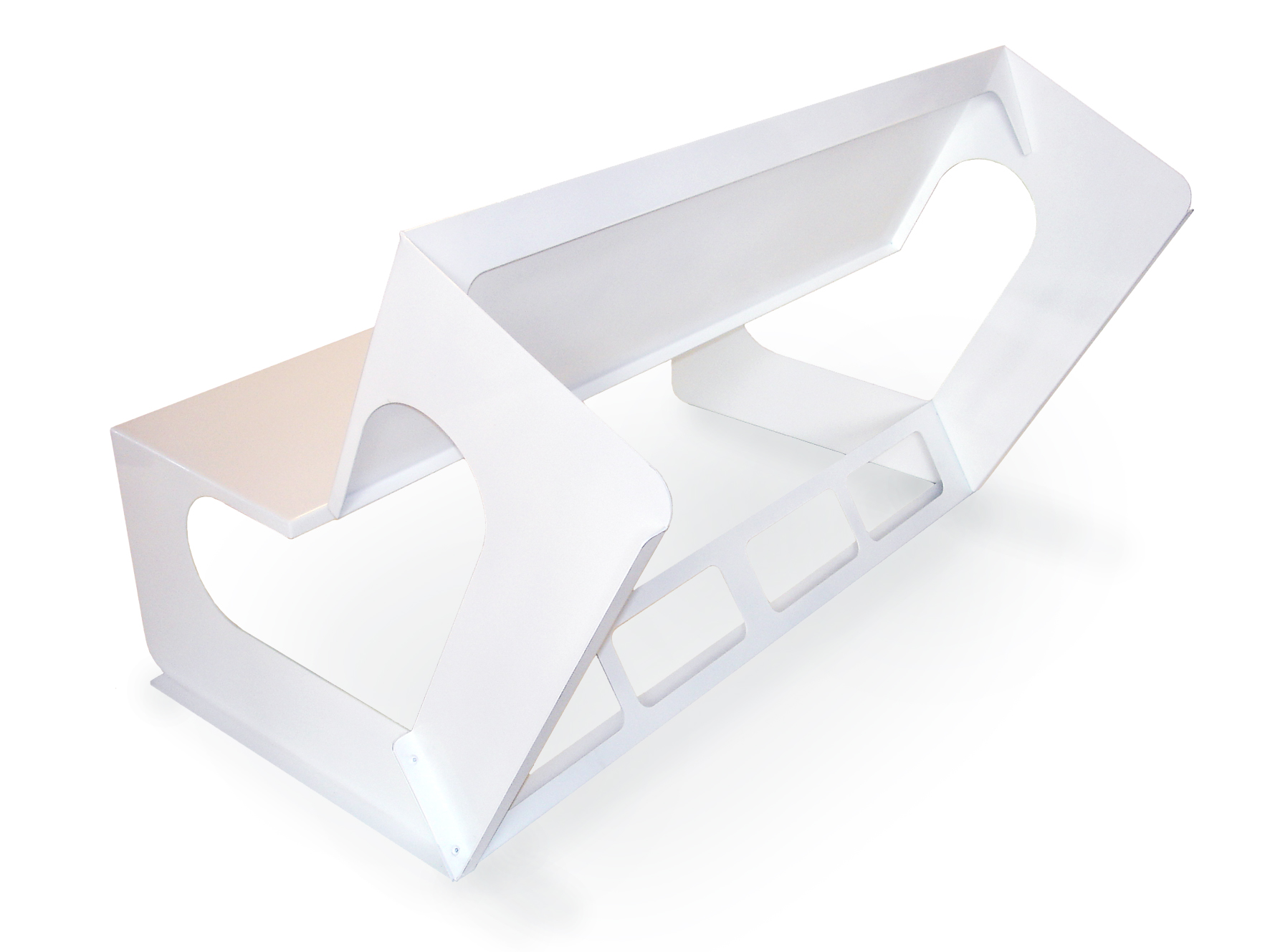
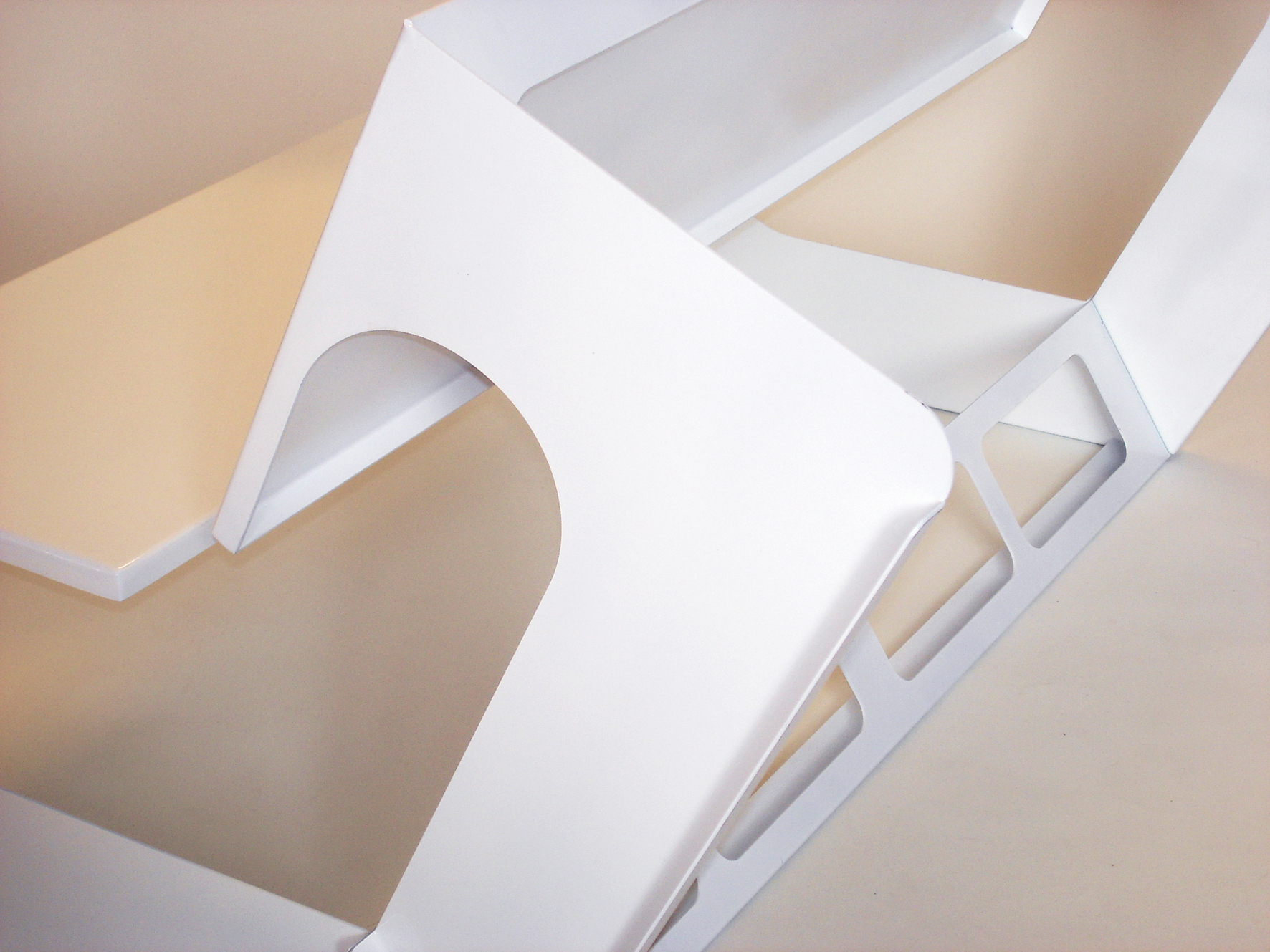
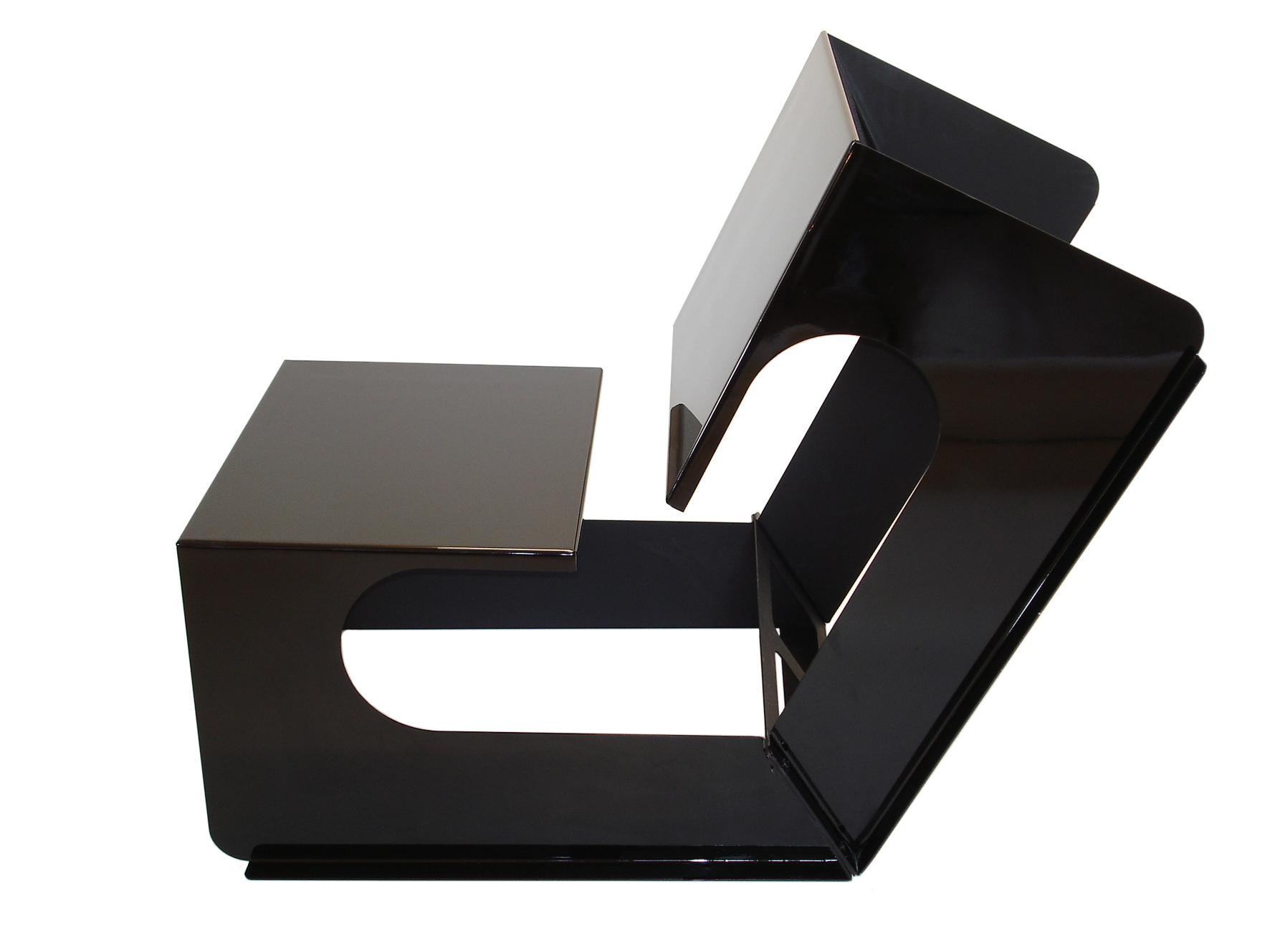
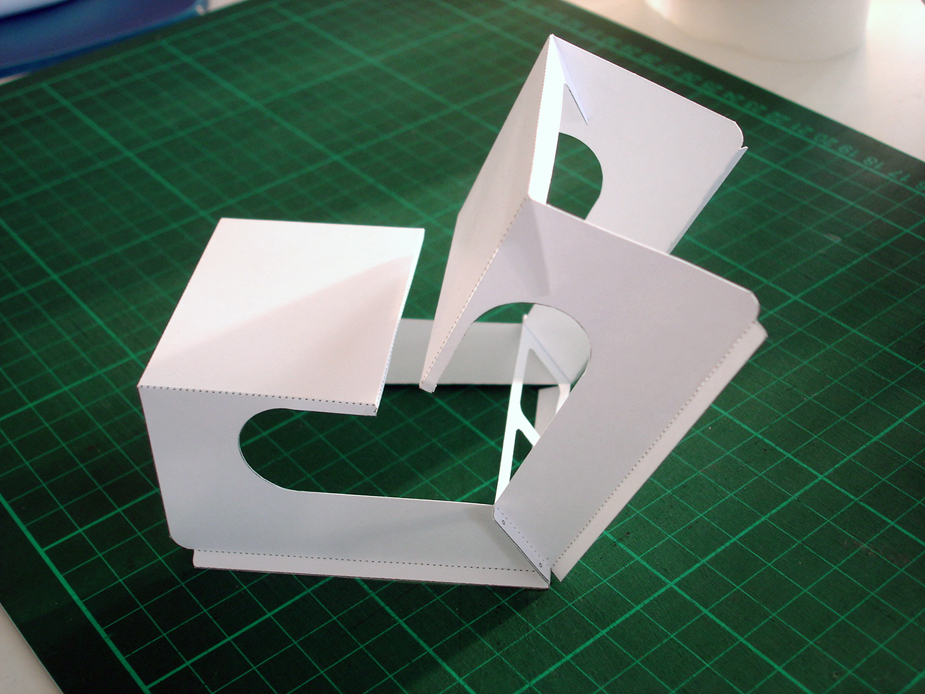
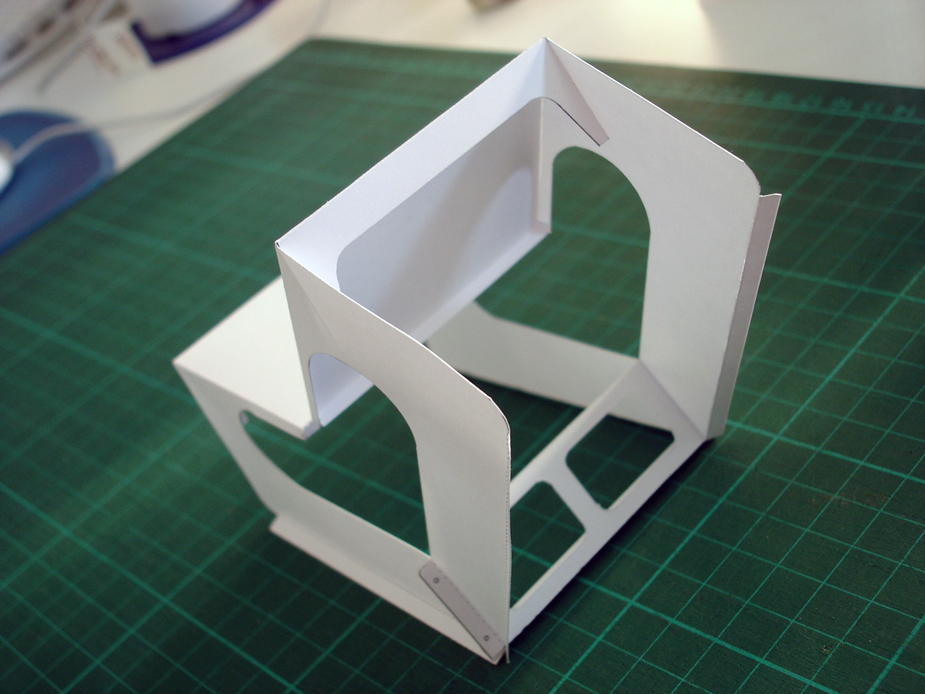
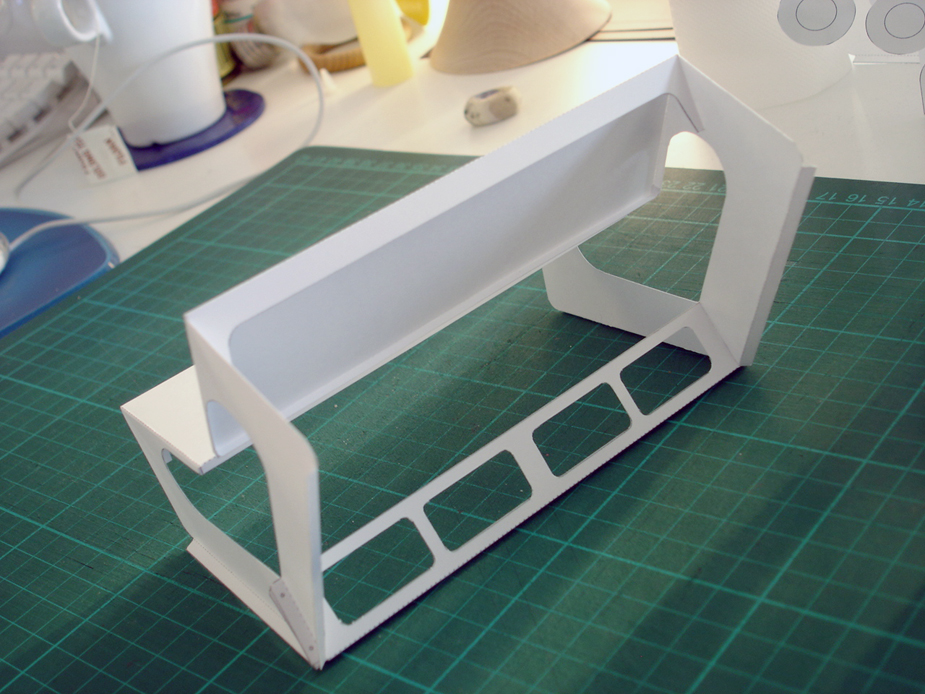
Together, they express the central idea behind the collection: transforming the simplicity of folded paper into a robust and elegant piece of furniture. The inspiration came from the art of paper folding. A single sheet, when carefully folded, gains remarkable structural rigidity without adding material. This principle became the foundation of the entire project. Rather than designing a conventional chair assembled from multiple components, K was developed using only two identical metal pieces. Joined together during the final assembly, these mirrored components create either a lounge chair or a bench, reducing manufacturing complexity while producing a visually distinctive silhouette.

This approach offered several advantages. Using two identical parts simplified tooling, reduced production costs, improved stock management, and made transportation and assembly significantly more efficient. Although the final product is manufactured from laser-cut, folded, and welded steel, the design process began with paper.

Countless paper models were created to study proportions, structural behavior, and folding geometry. Working at a smaller scale allowed every idea to be tested quickly and economically. Throughout the development, one principle remained constant: if a structure could not support itself as a folded paper model, it would never succeed when translated into steel. The final object faithfully preserves the clarity and precision of those original paper prototypes.

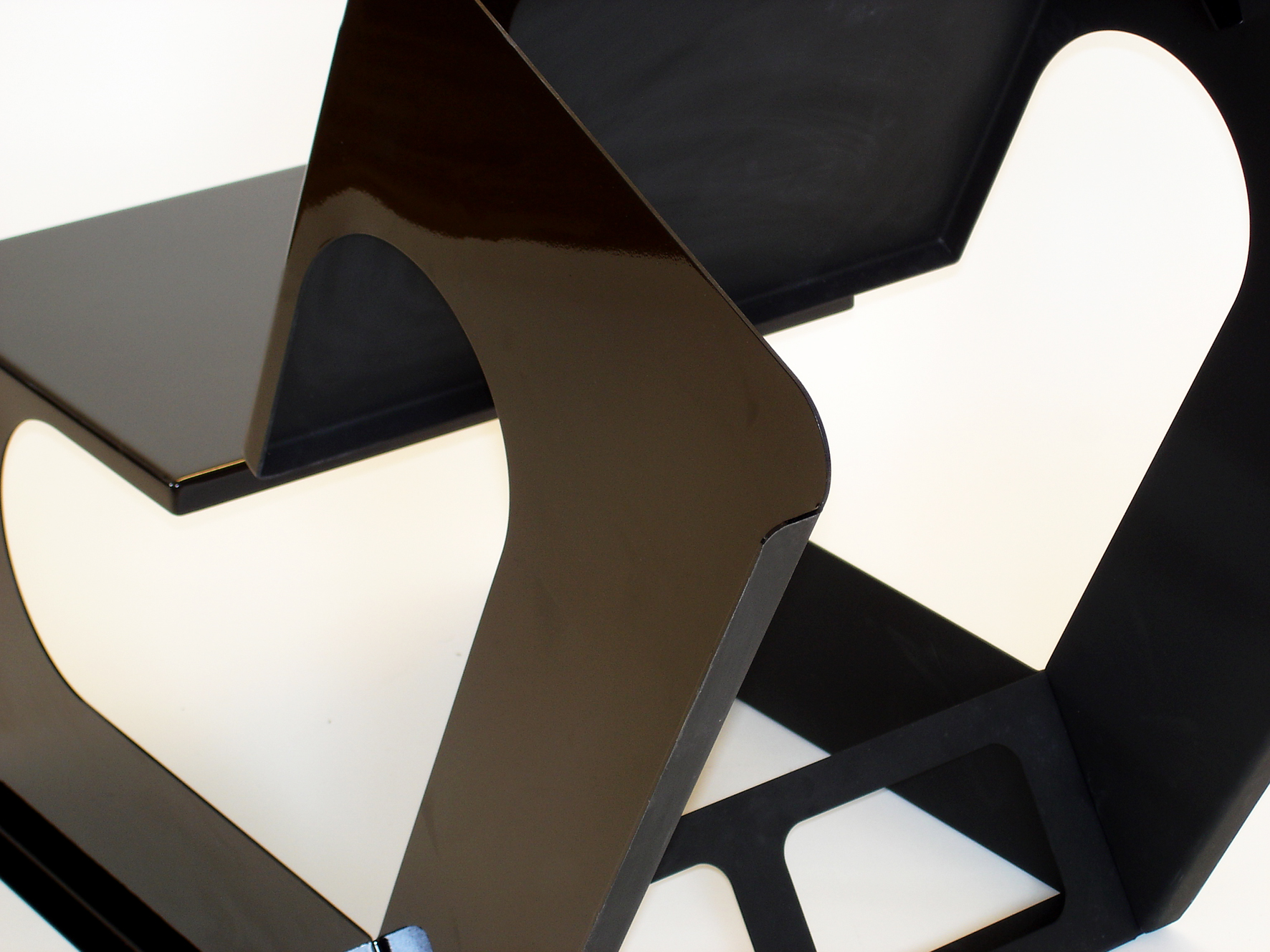
To reinforce this balance between strength and refinement, the collection is finished using automotive paint. The exterior receives a deep high-gloss finish that highlights the purity of its geometry, while the interior is coated with a soft matte surface, creating a subtle contrast that enriches the visual and tactile experience.

K demonstrates how intelligent geometry can replace visual heaviness. What first appears delicate reveals itself to be remarkably stable, while its folded silhouette gives the collection a sculptural presence that feels equally at home in contemporary interiors and gallery spaces. The result is a collection that combines industrial precision with the elegance of origami—proving that strength is not always expressed through mass, but often through thoughtful engineering and the simplicity of a single folded surface.

K 1
K 2
K 3
K 4
K 5
K 6
K 7